![[Review] Malaysia’s Data Center Transformation 2026](https://images.leadconnectorhq.com/image/f_webp/q_80/r_1200/u_https://assets.cdn.filesafe.space/0NuGYyrRLszvLIWxT5Pm/media/6a029c4c85b418d57ce8e765.jpg)
[Review] Malaysia’s Data Center Transformation 2026
Malaysia’s data center transformation has moved from a niche infrastructure topic to a national growth story. Between 2021 and mid-2025, MIDA approved RM144.4 billion in data center and cloud computing investments. InvestKL also reported 143 approved data center investment projects by June 30, 2025, with major commitments from Microsoft, Google, and AWS.
The size of the market explains why Malaysia’s Data Center Transformation matters in 2026. MIDA stated in May 2025 that the market is projected to grow from USD4.04 billion in 2024 to USD13.57 billion by 2030, and its Q1 2025 investment release repeated the same outlook with a 22.38 % annual growth rate. This scale changes how businesses, utilities, property developers, and digital service firms plan their next moves.
Malaysia’s Data Center Transformation: Towards Evolution Driven by AI and Cloud Demand
Malaysia’s data center transformation is now tied closely to AI infrastructure, cloud adoption, and larger compute needs. InvestKL reported that major global tech players increased commitments in data centers and AI infrastructure and noted that Malaysia’s first Nvidia-powered AI data center in Johor became operational in October 2025. EdgeConneX also described cloud computing, AI, 5G, e-commerce, and digital sovereignty as core forces behind Malaysia’s rise as a regional hub.
This demand changes what enterprises need from data center operations. Firms no longer look only at floor space and racks. They now need stronger workload management, cloud integration, operational automation, and local support that keeps migration, compliance, and uptime under control. MIDA’s Data Center Nexus 2025 placed cloud adoption, resilient digital infrastructure, and ecosystem collaboration at the center of industry discussion, which shows where service demand is moving.
Malaysia’s Data Center Transformation: How Johor and Kuala Lumpur Became the Main Growth Corridors
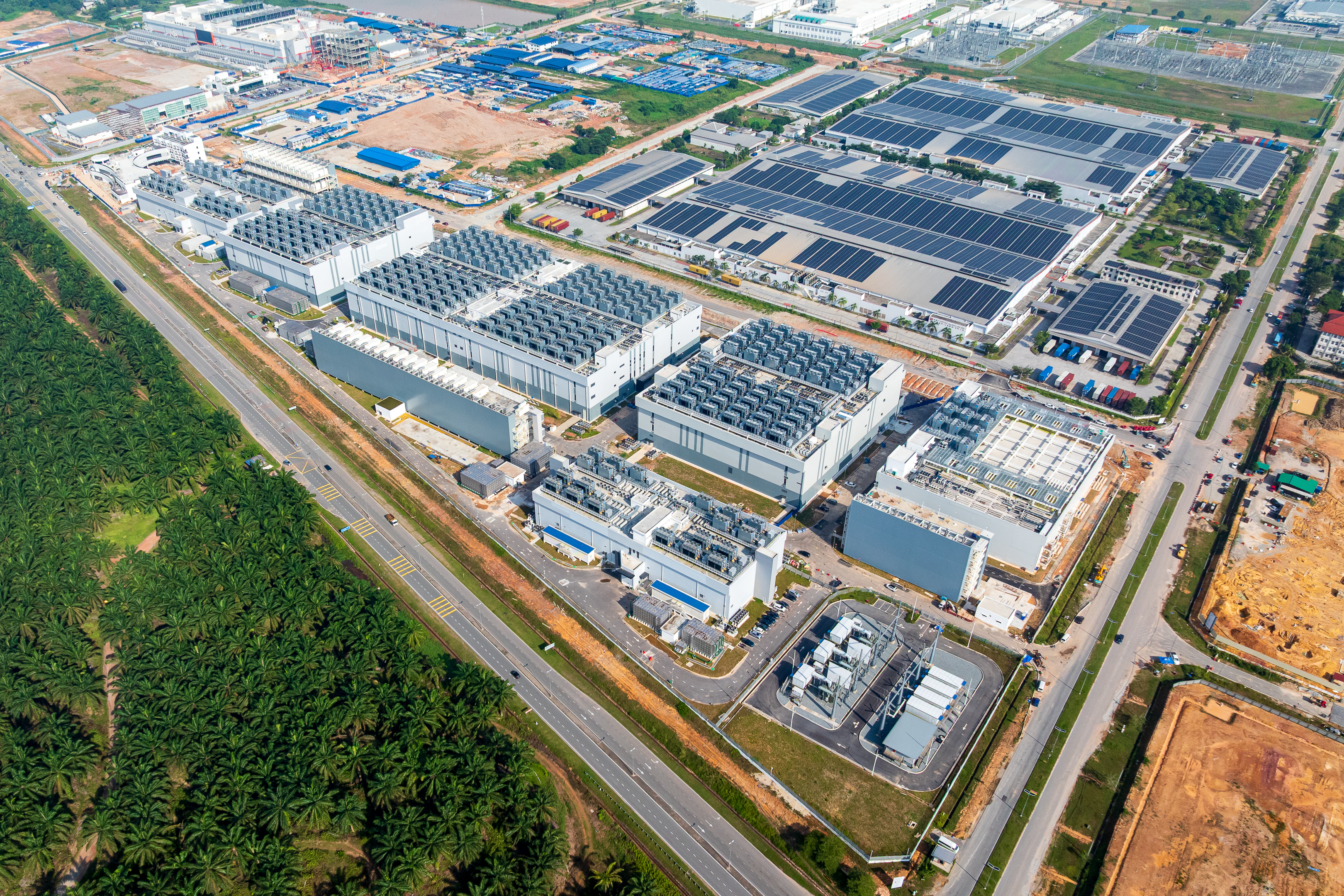
Malaysia’s Data Center Transformation has made Johor and Kuala Lumpur the country’s two main growth corridors. EdgeConneX identified Johor Bahru and Greater Kuala Lumpur as the leading hubs for expansion, supported by land availability, power access, and connectivity through more than 20 international submarine cable systems. These advantages continue to attract major operators, especially in Johor, where proximity to Singapore strengthens demand for lower latency, overflow capacity, and regional cloud infrastructure.
EdgeConneX’s July 2024 review and DatacenterDynamics’ 2026 coverage of TM Nxera’s Iskandar Puteri campus, which is backed by 280 MW of electricity supply, both show why Johor remains a preferred location for large-scale expansion.
Johor has also become the main test case for Malaysia’s Data Center Transformation. Business Today reported in March 2026 that Malaysia now prioritizes approvals for AI-focused data centers and has effectively stopped approving non-AI proposals since 2024. This policy is accelerating consolidation in Johor around well-capitalized players, which means the market now places greater value on scale, execution speed, and financial strength. Kuala Lumpur, in contrast, continues to play a critical role as a mature enterprise and connectivity hub that supports broader digital infrastructure growth.
Malaysia’s Data Center Transformation: The Real Pressure of Power, Water, and Project Approvals
Malaysia’s data center transformation faces a harder operational phase because growth now runs into grid delivery, sustainability rules, and resource constraints. Business Times reported in February 2026 that Johor’s main bottleneck is no longer generation capacity but grid delivery timelines and said up to 30 % of new data center applications were rejected in 2025. Business Today also reported that BMI expects AI-focused facilities to account for more than 70 % of electricity output growth in 2025 and 2026.
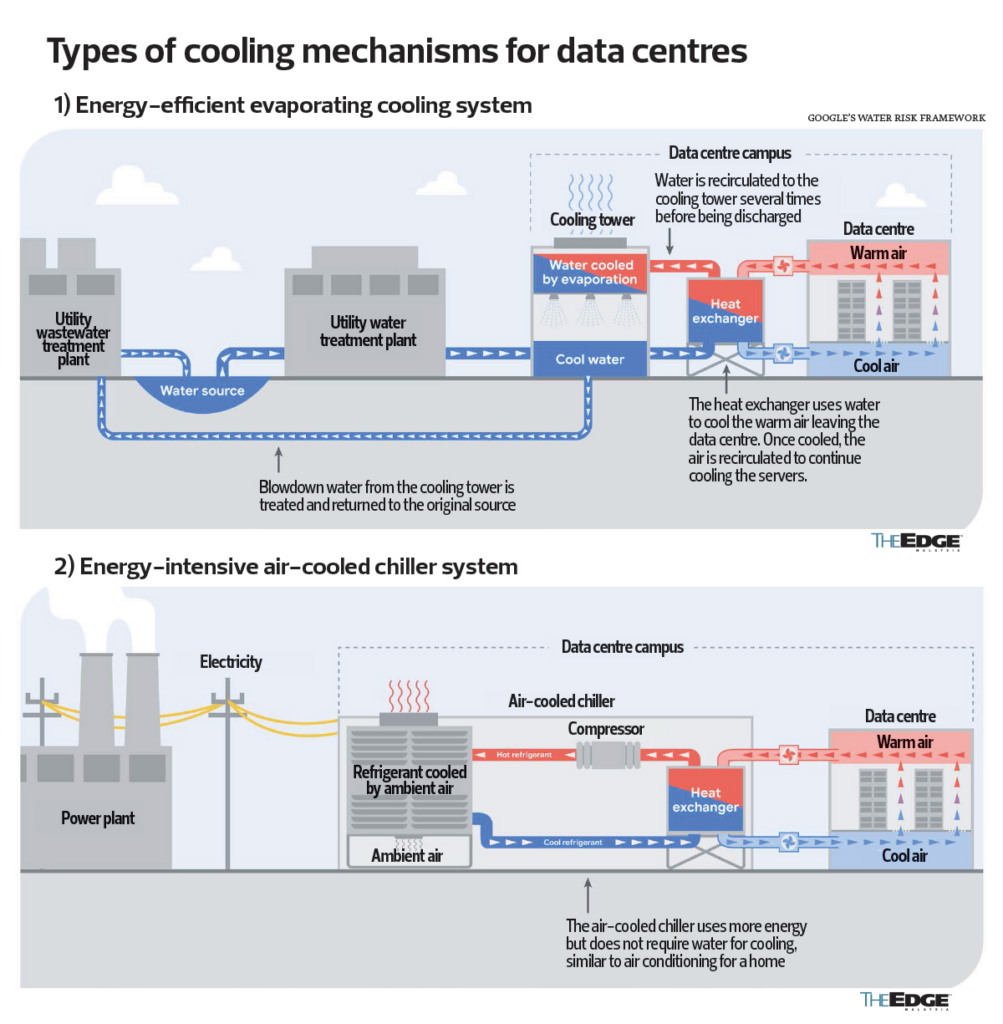
Water use adds another pressure point in Malaysia’s data center transformation. ISIS Malaysia reported in February 2025 that rising demand from the expanding data center industry could cause water shortages and quoted calls for alternative water sources and stricter water management policies. The same piece also stressed that new investments need to align with renewable energy goals to avoid higher carbon emissions.
Malaysia’s Data Center Transformation: Why Local Operating Ecosystems Matter More in 2026
Malaysia’s data center transformation will not succeed on land and capital alone. MIDA said Data Centre Nexus 2025 was built to strengthen Malaysia’s local supply chain, address critical ecosystem gaps, and champion cloud adoption. It also connected global operators with Malaysian vendors, which shows that local execution capacity now matters as much as headline investment totals.
This part is significant for firms that support hybrid environments, migration programs, platform operations, and day-to-day infrastructure management. MIDA’s Q1 2025 investment release highlighted one approved company that provides infrastructure as a service and end-to-end operational support for digital infrastructure and cloud systems. That signals a wider opening for Malaysian service providers whose work supports modern data center operations without owning the facilities themselves.
Malaysia’s Data Center Transformation: What Enterprises Must Prioritize for the Next Phase
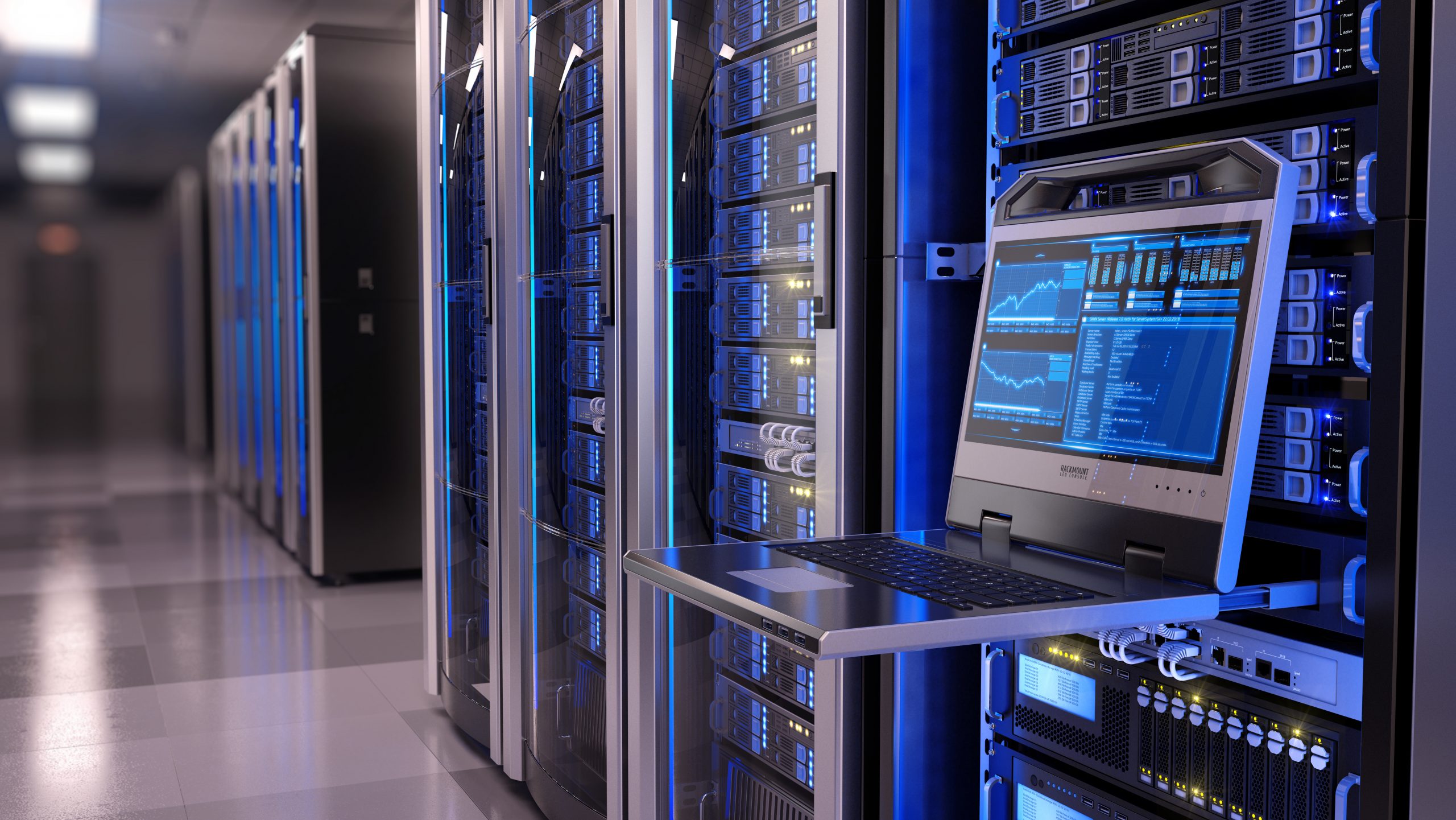
Malaysia’s Data Center Transformation gives enterprise leaders a simple checklist for 2026.
Match infrastructure plans with AI and cloud demand, because approvals and capital are now flowing toward higher-value projects.
Test location decisions against power delivery timelines, not only against land cost or headline capacity.
Choose partners that can support migration, operations, and compliance inside a hybrid environment from day one.
Cost still supports Malaysia’s Data Center Transformation, but low cost alone will not secure long-term value. EdgeConneX pointed to competitive industrial power tariffs, lower construction costs, and lower-cost land as reasons operators choose Malaysia. At the same time, MIDA says that the next stage depends on energy transition, water discipline, and local ecosystem depth, so firms need a plan that balances growth with operational control.
Malaysia’s Data Center Transformation: Strong Momentum, Tougher Execution Ahead
Malaysia’s data center transformation enters 2026 with strong momentum and tighter conditions. Investment approvals remain large, AI projects are expanding, and Johor continues to attract serious capital. But the market is becoming more selective, and delays in grid delivery, water management, and sustainability compliance now shape which projects move forward and which projects stall.
Malaysia’s data center transformation also points to a broader shift in how value gets created. The winners will not be defined only by who builds the biggest facility. The stronger position will go to operators, suppliers, and enterprise service firms that connect cloud adoption, infrastructure operations, local supply chains, and sustainability into one workable model. That is the real opportunity for 2026.
WikiBlox: Malaysia’s Modern Approach to VMware Migration Alternative Service Providers Malaysia
WikiBlox delivers a modern virtualisation foundation designed specifically for Malaysian enterprises. It unifies virtual machine and container workloads within a single platform, simplifying management, migration, and scalability.
Built around strong governance and local compliance frameworks, WikiBlox helps organisations modernise their IT environments confidently. For enterprises evaluating VMware alternatives, it provides a future-ready platform developed and supported within Malaysia.
WikiBlox: What You Should Know
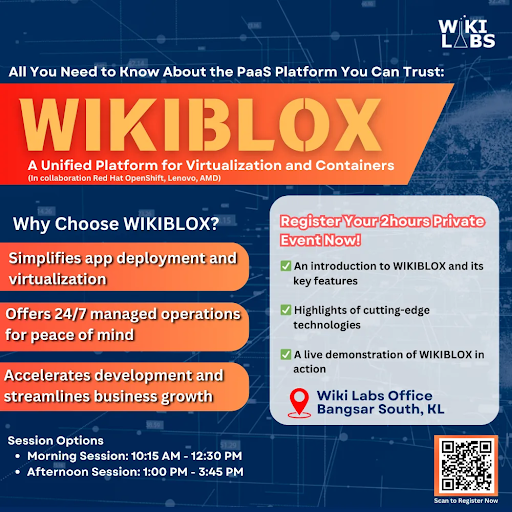
WikiBlox by Wiki Labs Sdn Bhd is engineered on an enterprise-grade architecture that integrates Red Hat OpenShift with Lenovo infrastructure powered by AMD EPYC processors, all operated within Malaysia. The platform unifies virtual-machine and container workloads under managed operations with built-in governance, security, and compliance aligned to Malaysian enterprise standards.
A recent local deployment within the financial services sector demonstrated significantly faster provisioning and measurable cost efficiencies compared with traditional virtualisation environments. For organisations exploring VMware alternatives, WikiBlox distinguishes itself through local support, regulatory alignment, and optimisation for hybrid-cloud and container workloads.
How Wiki Labs Helps Manage Virtualisation Costs
Wiki Labs provides full-lifecycle services for enterprise virtualisation — from assessing existing VMware environments to designing migration frameworks and optimising operations post-deployment.
Through cost-transparency analysis, predictable licensing models, and Malaysia-based support, Wiki Labs helps organisations identify and reduce hidden expenses associated with legacy systems. Its consultants offer clear insights into the total cost of ownership (TCO) across leading VMware alternatives, ensuring each client selects the most cost-effective and scalable approach for long-term growth.
With deep local expertise and platform-agnostic hardware integration, Wiki Labs enables Malaysian enterprises to achieve operational clarity and sustainable cost efficiency in their modernisation journey.
Ready to Move Forward with Modern VMware Alternatives?
WikiBlox isn’t just another platform. It’s your all-in-one foundation for Malaysia’s enterprise IT future.
👉 Schedule a free consultation with Wiki Labs experts today to see how WikiBlox can power your transformation.
Disclaimer:
The information in this article is provided for general informational purposes only. All product names, trademarks, and registered trademarks are the property of their respective owners. References to third-party technologies such as VMware, Red Hat, Lenovo, AMD, and others are made solely to describe compatibility or comparison context and do not imply any endorsement or affiliation.
Wiki Labs Sdn Bhd makes reasonable efforts to ensure the accuracy of information at the time of publication; however, readers are encouraged to verify technical details and licensing information directly with the respective vendors.
