Why System Disruptions Are Becoming a Serious Risk for Financial Institutions in Malaysia
Why System Disruptions Are Becoming a Serious Risk for Financial Institutions in Malaysia
When Stability Becomes the Expectation
For financial institutions, system stability is no longer a differentiator — it is an expectation.
Customers expect uninterrupted access. Transactions are assumed to be processed instantly. Regulators demand consistency, control, and accountability across systems.
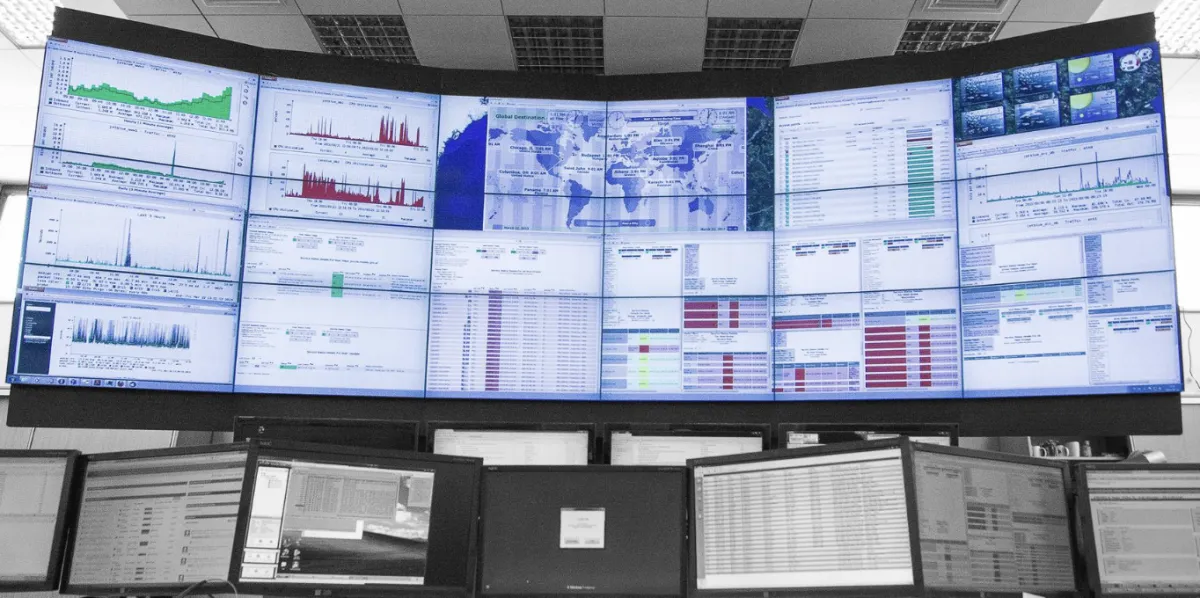
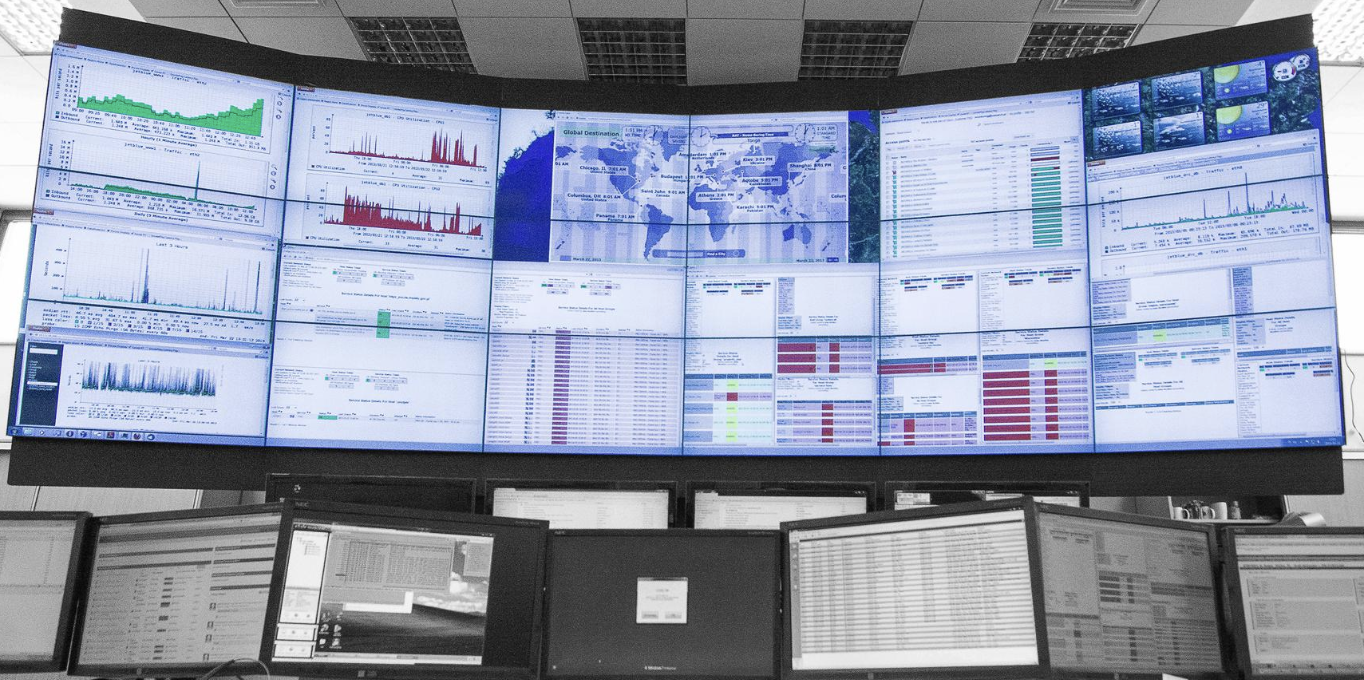
Yet behind this expectation, many organisations are operating in environments that have become increasingly complex over time. Systems are added, upgraded, and integrated across different teams and functions. What once worked as a stable foundation gradually evolves into something far more difficult to manage as a whole.
The challenge is not that systems are failing individually. It is that, collectively, they are becoming harder to standardise, harder to monitor, and harder to control.
When Complexity Turns Into Risk
As this complexity builds, the impact is no longer confined to IT operations.
A disruption today is not just a technical issue — it immediately becomes a business issue. Services can become unavailable, transactions may fail, and customer confidence can be affected within minutes. In highly regulated environments, even short interruptions can trigger compliance concerns and scrutiny.
What makes this more critical is that these disruptions do not always come from major external attacks. In many cases, they originate from within the environment itself — during routine updates, system changes, or unexpected interactions between interconnected components.
Over time, what organisations are facing is not a lack of investment in technology, but a growing gap between system capability and operational control.
A Real Example Close to Home
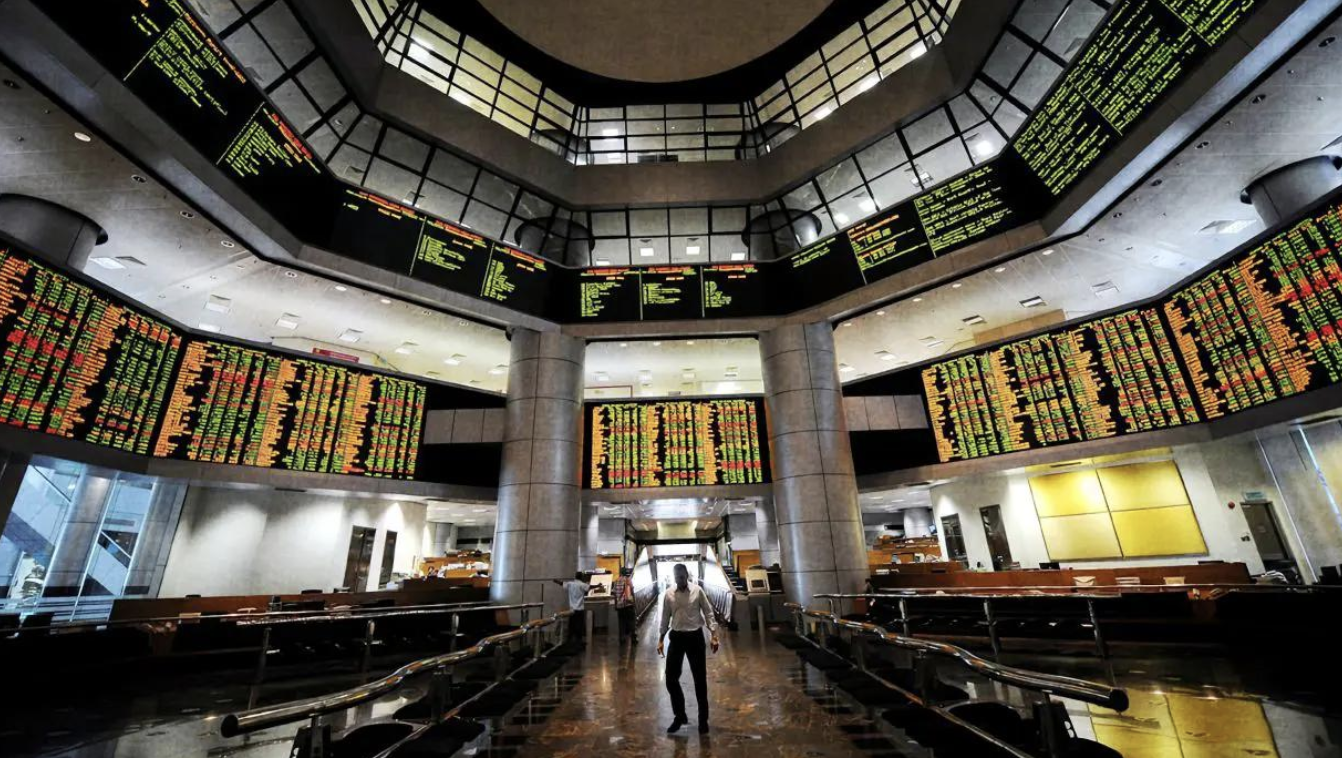
In 2023, Bursa Malaysia experienced a system disruption that temporarily halted trading activities across the market.
The interruption affected core functions such as trading execution, market data availability, and connectivity between participants. For a period of time, transactions could not proceed as expected, and market operations were brought to a pause.
While the issue was resolved, the incident highlighted something more fundamental. In tightly interconnected environments, a single disruption can quickly extend beyond its point of origin. Dependencies across systems amplify the impact, making recovery more complex and time-sensitive.
The issue was not simply a technical fault. It reflected the reality of managing modern financial systems without fully unified operational control.
Rethinking Cybersecurity as Operational Control
In response to these challenges, leading organisations are beginning to shift their perspective.
Rather than continuing to add new layers of tools, they are focusing on how their environments are structured and governed. The emphasis is moving away from isolated security measures towards a more integrated operating model — one where systems are managed consistently, monitored cohesively, and maintained through controlled processes.
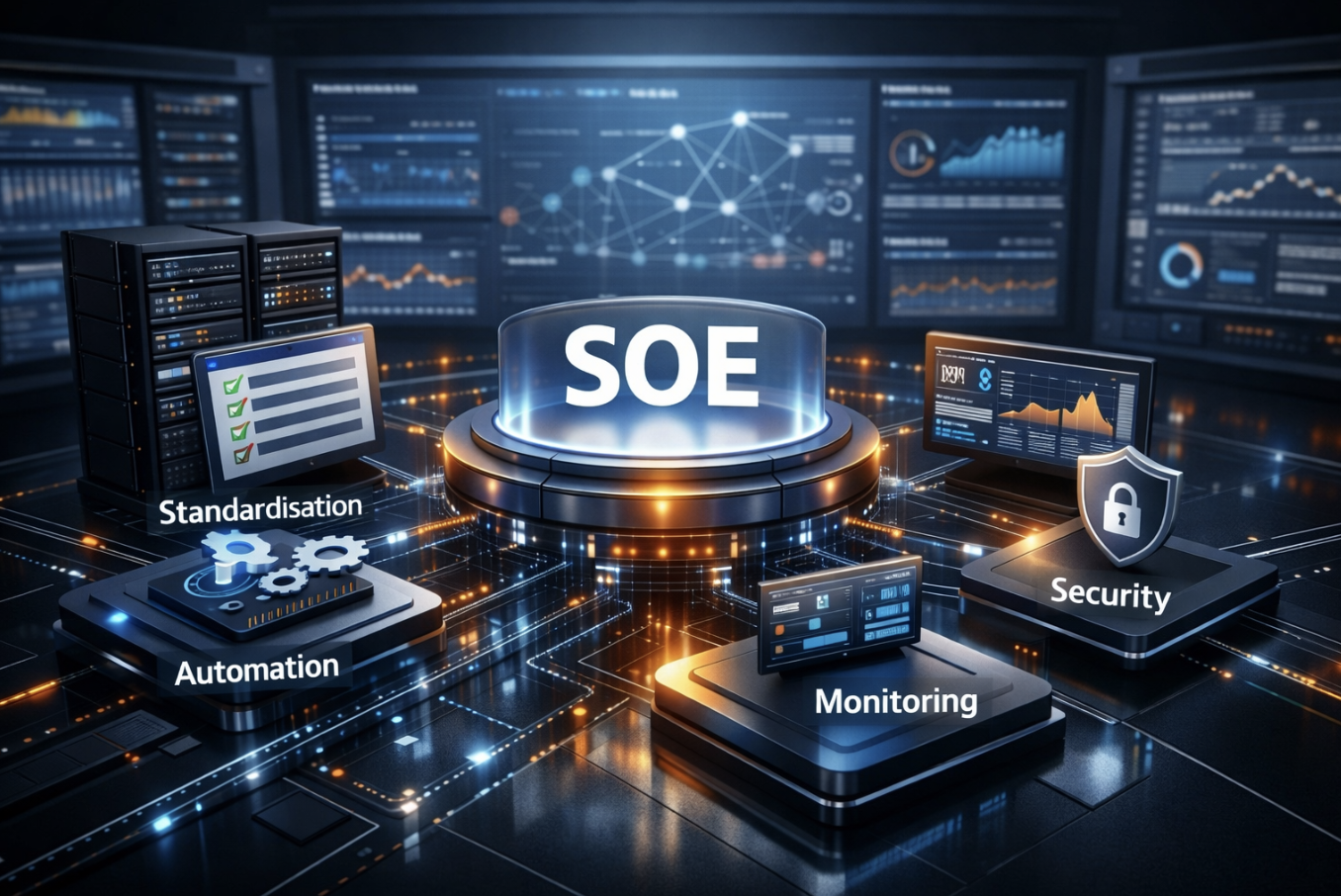
This is where the concept of a Standard Operating Environment (SOE) becomes increasingly relevant.
An SOE is not a single tool or platform. It is a way of operating — ensuring that configurations are standardised, updates are coordinated, visibility is centralised, and operational processes are clearly defined. When these elements are aligned, organisations gain not only stronger security, but also greater stability and predictability in how their systems behave.
Embedding Structure Into Daily Operations
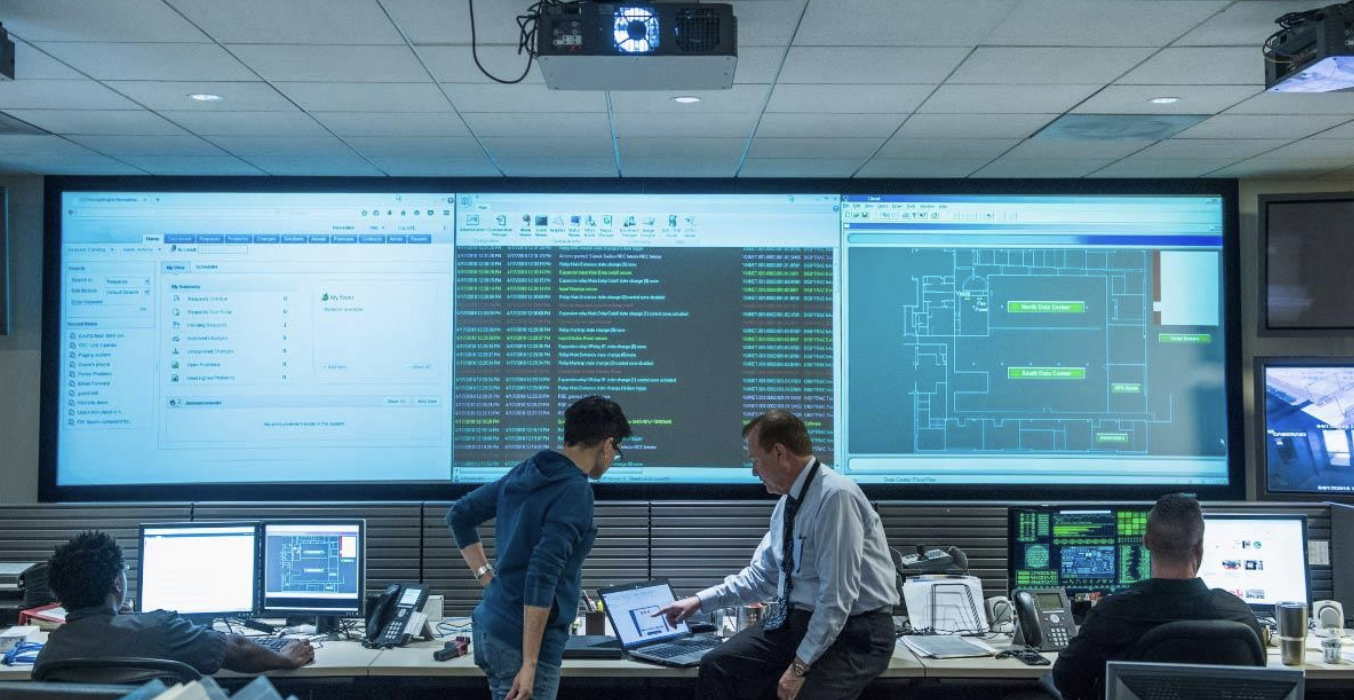
Building this level of control requires more than isolated improvements. It involves embedding structure into the way systems are managed on a daily basis.
This includes ensuring that environments follow consistent configuration baselines, that patching and lifecycle activities are carried out in a coordinated manner, and that infrastructure is monitored through a unified view. Automation also plays a key role, reducing the likelihood of manual errors while improving response times when issues arise.
Importantly, this approach aligns closely with regulatory expectations, where consistency, traceability, and governance are essential.

How Wiki Labs Supports This Approach
For organisations looking to move in this direction, the challenge is often not identifying the need for change, but executing it in a controlled and practical way.
Wiki Labs works with financial institutions to design and implement structured, SOE-driven environments that bring governance and consistency into everyday operations. This includes supporting hybrid infrastructure platforms, establishing standardised processes, and providing managed operations to ensure that systems remain aligned over time.
With experience in regulated industries, the focus is not just on modernisation, but on doing so in a way that maintains stability while reducing operational risk.

From Managing Systems to Managing Risk
As financial systems continue to evolve, the question is no longer whether disruptions can happen.
The real question is how well organisations are prepared to prevent, contain, and recover from them.
Those that continue to manage systems in fragmented ways will find it increasingly difficult to maintain control. In contrast, organisations that adopt a structured and governed approach are better positioned to ensure continuity, meet regulatory expectations, and operate with confidence in an increasingly complex environment.
References
Publicly reported trading disruption involving Bursa Malaysia (2023), as covered by Malaysian financial media
Industry observations on operational resilience and system risk management in financial services
Note:
This article is based on publicly available information and industry observations, and is intended to provide a general perspective on operational resilience within complex I
